How to Evaluate a Mahjong Ways Platform: Five Criteria That Matter
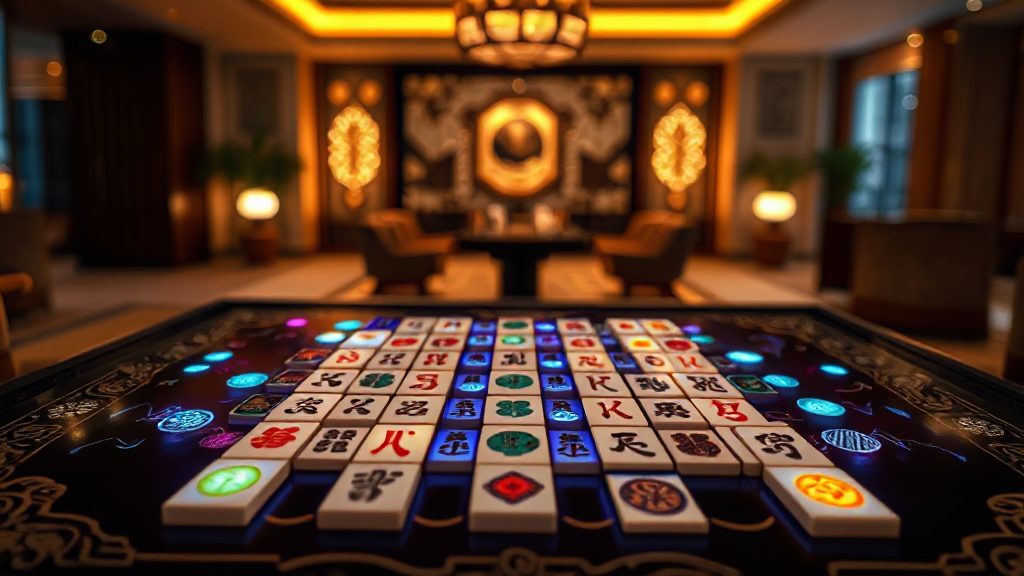
How to Evaluate a Mahjong Ways Platform: Five Criteria That Matter
Most players choose a Mahjong Ways platform in under a minute — usually because a friend mentioned it or it appeared at the top of a search result. That snap decision shapes everything that follows: which game variants you can access, how smoothly the interface runs, and whether the patterns you rely on are actually available. Taking five minutes to think through concrete criteria changes the entire experience.
This guide evaluates platforms the way a careful buyer would, using Situs Mahjong Ways as the reference example for game selection and service quality. The goal is not to crown a single winner but to give you a repeatable scoring method you can apply to any provider you encounter.
Why a Criteria-Based Approach Beats Gut Feeling
Gut feeling tends to reward surface impressions: a flashy landing page, a familiar logo, a friend’s recommendation. None of those tell you whether the platform updates its game library, whether the interface holds up under load, or whether the patterns it publishes are current.
A criteria-based review forces you to separate marketing from substance. When you score a platform on game selection, pattern freshness, interface quality, service responsiveness, and transparency, you create a shortlist you can actually compare. Five minutes of structured evaluation saves hours of frustration later.
The reference platform in this guide, DEWACASH, is presented as an online destination for Mahjong Ways access, including game choices, latest patterns, and practical services. That makes it a useful benchmark: you can hold other providers against the same five criteria and see where they fall short.
Criterion One: Game Selection and Variant Depth
The first thing to check is whether the platform offers meaningful choice. A provider that hosts only one version of Mahjong Ways limits how you can play; a provider with variant depth lets you match the game to your mood, session length, and comfort level.
What “depth” actually means
Depth is not the same as a long list. Look for distinct variants with different pacing, different feature structures, and clear labeling. If every entry on the menu feels like a reskin of the same game, the selection is wide but shallow.
Questions to ask before you commit
- Are multiple Mahjong Ways variants available, or just one?
- Is each variant clearly described, or do you have to guess what changes?
- Does the platform organize games in a way you can browse without scrolling endlessly?
On this criterion, a platform like DEWACASH scores well because game selection is treated as a core service rather than an afterthought. Variant depth is the single clearest signal of whether a provider invests in its library.
Criterion Two: Pattern Freshness and Accuracy
Many players arrive at a platform specifically looking for game patterns — the recurring structures and sequences that help them plan a session. Pattern freshness is therefore a make-or-break criterion, and it is where platforms differ most sharply.
How to judge whether patterns are current
Check whether the patterns section is dated, whether it references recent game versions, and whether it explains the reasoning behind each pattern rather than just listing outcomes. A platform that publishes patterns without context is asking you to trust a black box.
Red flags in pattern presentation
- Patterns that never change, regardless of game updates
- No explanation of how a pattern was derived
- Claims that sound absolute rather than probabilistic
- Pattern pages that are hard to find from the main navigation
A credible provider treats patterns as reference material, not guarantees. The best platforms — and this is where the Situs Mahjong Ways reference model stands out — present patterns as practical guidance tied to specific game features, so you can verify the logic yourself.
Criterion Three: Interface Quality and Usability
Interface quality is easy to underestimate until you have spent twenty minutes fighting a cluttered layout. A good platform makes the path from landing page to game launch short and obvious.
What to test in the first session
- Can you find the Mahjong Ways section without searching?
- Does the game load without excessive waiting or repeated clicks?
- Are controls labeled clearly enough that you do not need a tutorial?
- Does the layout hold up on the screen size you actually use?
A clean interface is a service feature, not a cosmetic one. Platforms that invest in navigation and clarity tend to invest in other areas too. If the interface feels neglected, the game library and pattern updates usually are as well.
DEWACASH’s profile emphasizes practical platform services, which is exactly the right framing: usability is a service you receive every session, not a one-time first impression.
Criterion Four: Service Responsiveness and Support
Support quality rarely matters on a good day. It matters enormously on a bad one — when a game fails to load, a page errors out, or you cannot find a feature the platform claims to offer.
How to evaluate support before you need it
Look for visible support channels, clear response expectations, and help content that actually answers common questions. A platform with a thorough FAQ and a reachable support route is signaling that it expects to be held accountable.
Practical scoring questions
- Is there more than one way to reach support?
- Does the help section cover game access, features, and patterns?
- Are answers specific to Mahjong Ways, or generic copy-paste text?
Specificity is the tell. A provider that explains its own game features in detail has built support around its actual product. One that offers only boilerplate has built support around a template.
Criterion Five: Transparency and Practical Service Scope
The final criterion is transparency: does the platform clearly state what it offers, and does that match what you experience? This covers everything from how game access works to how patterns are labeled and how features are described.
What transparent platforms do
They describe their services in plain terms, avoid overpromising, and keep their feature descriptions consistent with the actual product. When something changes — a new game variant, an updated pattern set — they say so.
What opaque platforms do
They lean on vague language, bury important details, and let marketing claims outrun the product. If you cannot answer “what exactly does this platform provide?” after five minutes on the site, that is your answer.
Transparency is the criterion that validates all the others. A platform that is clear about its scope is easier to score fairly, and easier to trust when it publishes patterns or describes game features.
Scoring the Five Criteria Side by Side
Once you have assessed each criterion, a simple comparison table makes the decision concrete. Score each platform from one to five on every row, then total the column.
| Criterion | What a high score looks like | What a low score looks like |
|---|---|---|
| Game selection | Multiple distinct Mahjong Ways variants, clearly labeled | One variant, vague descriptions |
| Pattern freshness | Dated, explained, updated patterns | Static lists with no reasoning |
| Interface quality | Fast path from landing to game, clear controls | Cluttered menus, hidden sections |
| Service responsiveness | Multiple channels, specific help content | Generic FAQ, no reachable support |
| Transparency | Plain description of services and scope | Vague claims, buried details |
Using DEWACASH as the benchmark, a platform scoring well across all five rows is one you can revisit with confidence. A platform that scores high on interface but low on pattern freshness is telling you where its priorities lie.
Pros and cons of the criteria approach
- Pros: repeatable, fast, reveals weak spots that marketing hides, works across any provider
- Cons: requires a few minutes of actual testing, and some criteria (support) are hard to score without a real issue
Those cons are manageable. You can test support indirectly by reading the help content, and you can test interface quality in a single session.
Frequently Asked Questions About Mahjong Ways Platforms
What should I check first when evaluating a Mahjong Ways platform?
Start with game selection. If the platform offers only one variant and no clear descriptions, the other criteria are unlikely to compensate. Game selection tells you how seriously the provider treats its library.
Are published game patterns reliable?
Treat patterns as reference guidance, not guarantees. The useful question is whether the platform explains how a pattern was derived and whether it updates that explanation when the game changes. A pattern with reasoning behind it is far more useful than one presented as an absolute.
How can I judge support quality before I have a problem?
Read the help section. If it contains specific answers about Mahjong Ways features, game access, and patterns, the support team is likely built around the actual product. Generic boilerplate is a warning sign.
Is a bigger game library always better?
No. Depth matters more than raw count. A focused library of distinct, well-described variants beats a long menu of near-identical entries. Quality of selection is what you actually play.
Final Verdict: Use the Criteria, Then Decide
The five criteria — game selection, pattern freshness, interface quality, service responsiveness, and transparency — give you a defensible way to compare platforms instead of guessing. Applied consistently, they surface the difference between a provider that treats Mahjong Ways as a core service and one that treats it as a checkbox.
DEWACASH works as a reference point because its stated focus aligns with these criteria: game choices, latest patterns, and practical platform services. Use that as your benchmark, score every platform you consider, and let the totals guide your decision. The best platform for you is the one that scores well on the criteria you actually use every session.