A Day With a Desentupidora in Vila Guilherme: Routine, Response and Results
A Day With a Desentupidora in Vila Guilherme: Routine, Response and Results
At 6:50 a.m., the phone rings in a small apartment on Rua José Bernardo Pinto. The kitchen sink has been backing up since the night before, and the building manager has already tried a plunger and a bottle of drain cleaner. By 7:30 a.m., a desentupidora Vila Guilherme crew is at the door with a drain snake and a camera. This is what a normal working day looks like when your job is clearing blocked pipes in one of São Paulo’s busiest residential and commercial districts.
I have spent enough mornings on calls like that to know that most people only think about drain clearing when water is already rising. The rest of this piece is a practitioner’s account of how a local crew actually spends the day: the calls that come in, the checks before any machine starts, the methods chosen for each blockage, and the small habits that keep a building from calling again next month.
Morning: First Calls and the First Assessment
The day rarely starts with the hardest job. It starts with triage. A dispatcher in Vila Guilherme usually receives a mix of calls before 8 a.m.: a slow shower drain in a condo tower, a backed-up restaurant grease trap on Avenida Guilherme, a flooded garage in a low-rise building near the Marginal Tietê. Each one gets a short phone interview before a truck is sent.
The questions are practical and repetitive: Is the water rising or just draining slowly? Is it one fixture or several? Has anyone used chemical products? Is there a clean-out access point? Is the property residential, commercial or a condominium? The answers decide whether a technician goes alone or a full hydrojetting truck is needed. Getting this right on the phone saves an hour on the road and avoids sending heavy equipment to a job that only needs a hand auger.
The tools that leave the yard
A standard morning load includes a manual drain snake, an electric auger, a small inspection camera, rubber gloves, protective covers for floors, and a wet-dry vacuum. Hydrojetting equipment stays on the truck until the assessment confirms it is needed. The crew also carries a few spare parts for common failures, such as a worn flush valve or a cracked P-trap, because a blockage often reveals a broken component behind it.
What the first ten minutes on site look like
Before any tool touches a drain, the technician walks the property. In a house, that means checking the floor drains, the laundry area and the outside clean-out. In a condominium, it means asking the síndico which stacks are affected and whether the problem repeats on the same floor. This walk-through is not a formality. A blockage that appears in a ground-floor apartment often originates in a shared vertical stack or in the building’s main line, and treating only the visible fixture will bring the same call back within days.
Midday: Choosing the Right Method for the Blockage
By late morning, the crew is usually on the second or third job. This is where the real skill of a desentupidora Vila Guilherme São Paulo SP technician shows: matching the method to the blockage instead of defaulting to the same tool every time.
Mechanical augers and drain snakes
For grease, soap scum, hair and small soft obstructions, a rotating snake is usually the first choice. It is fast, low-impact on older pipes, and works well in kitchen lines and bathroom drains. The technician feeds the cable slowly, lets the motor do the work and stops if resistance suggests a joint or a fragile section. Forcing a snake through a corroded pipe is one of the most common causes of avoidable damage in older Vila Guilherme buildings.
Hydrojetting for heavier lines
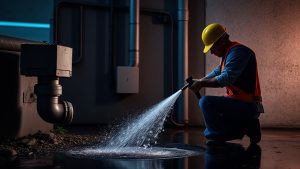
When the blockage involves roots, hardened grease, sand or scale, high-pressure water is more effective. Hydrojetting uses a controlled jet to scour the inside of the pipe rather than simply punching a hole through the obstruction. It is the standard method for main sewer lines and commercial kitchens, but it requires access and a clear understanding of the pipe material. On very old clay or damaged lines, pressure must be adjusted or the method changed entirely.
Camera inspection before closing the job
A camera inspection is not always necessary, but it is the difference between clearing a drain and solving a problem. If the crew has pulled out roots or a large amount of grease, a quick look inside the line confirms whether the pipe is intact or whether a crack, offset joint or collapse is the real cause. This step also gives the property owner something concrete: a short video or a written note explaining what was found and what to watch for.
When the problem is a septic tank or grease trap
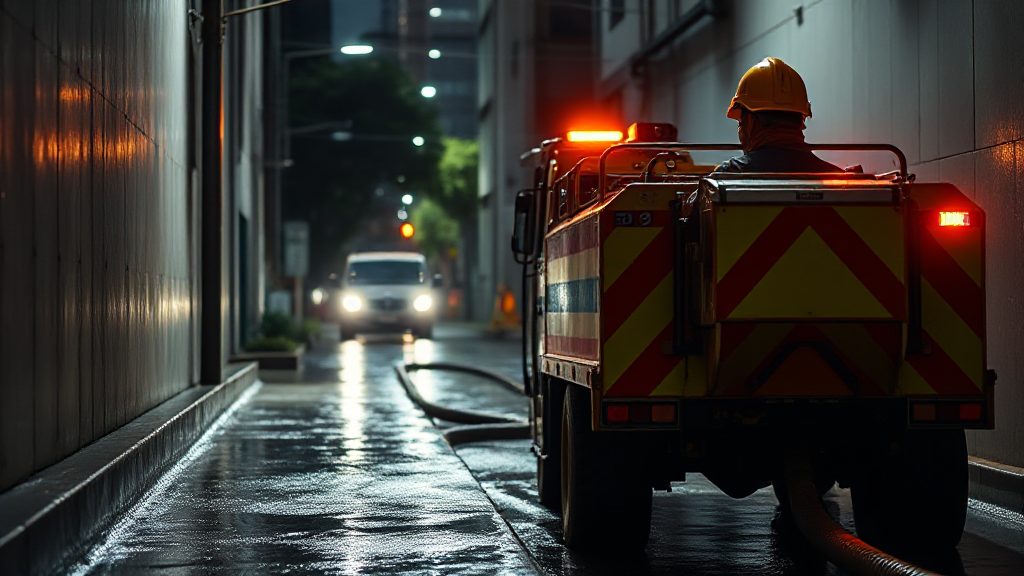
Not every call is a pipe. In commercial properties and some houses in the district, the issue is a full septic tank or an overloaded grease trap. Pumping and cleaning these systems is a separate service from drain clearing, and it requires a truck with a vacuum tank. The crew schedules these jobs carefully because they take longer and produce waste that must be transported and disposed of correctly.
Afternoon: Emergencies, Condominiums and the Hidden Costs of Delay
The afternoon is when the urgent calls tend to arrive. A restaurant preparing for dinner service discovers its floor drain is backing up. A condominium garage floods after a heavy rain because a storm drain is clogged. A family returns home to find sewage coming up through the shower. These are the situations where a desentupidora em Vila Guilherme São Paulo SP with 24-hour dispatch makes a practical difference, because the cost of waiting is rarely just the service fee.
What delay actually costs
Water damage spreads quickly. A backed-up drain can soak drywall, ruin flooring and reach electrical outlets within hours. In commercial kitchens, a blocked line can shut down service for a day or more. In condominiums, a shared stack overflow can damage several units and turn a simple clearing job into an insurance dispute. The emergency premium is real, but it is usually smaller than the repair bill that follows a night of ignored water.
Working inside occupied buildings
Most jobs in Vila Guilherme happen in buildings that are fully occupied. That changes the routine. Technicians protect floors, warn residents before shutting off water, and coordinate with the síndico so that access to clean-outs and shafts is arranged in advance. In commercial buildings, work is often scheduled outside peak hours. A good crew treats the property with the same care it would expect in its own home, because reputation in a district like this travels through word of mouth.
Preventive maintenance as part of the routine
Between emergencies, the crew handles scheduled maintenance for condominiums and restaurants. This usually means inspecting main lines, cleaning grease traps on a fixed calendar, and hydrojetting kitchen lines before they reach the point of failure. Preventive work is less dramatic than an emergency call, but it is the reason some buildings go years without a backup while neighboring ones call every quarter.
Evening: Closing the Job, Documenting It and Preventing a Repeat
By early evening, the last scheduled job is usually wrapping up. The technician tests the drain with running water, checks nearby fixtures for backup, and confirms that the line is flowing freely. Then comes the part that many customers never see: documentation.
What a proper handover includes
- A short explanation of what caused the blockage.
- The method used and any limitations found, such as an old pipe or a root intrusion.
- Photos or video from the camera inspection, when one was done.
- Recommendations for preventing a repeat, from grease disposal habits to scheduling a follow-up cleaning.
This handover matters because most blockages are not random. They are the result of a habit, an aging pipe or a design flaw. A crew that explains the cause gives the customer a way to avoid the same call next season.
Common mistakes that lead to repeat calls
The most frequent mistake is relying on chemical drain cleaners. They can soften grease temporarily, but they rarely clear a full blockage and can damage older pipes and seals. Another common error is ignoring slow drains. A drain that empties slowly is already telling you something is accumulating. Finally, many buildings skip maintenance until a backup happens, then treat the emergency as unavoidable. In practice, a modest preventive schedule is cheaper than repeated emergency visits.
How to choose a local provider
When you need help, look for a provider that serves the district directly, asks questions before dispatching, and explains the method before starting. Ask whether the crew carries inspection equipment, how waste from septic or grease jobs is handled, and whether emergency service is genuinely available at night and on weekends. A local team that knows the buildings, the streets and the typical pipe problems in the area will usually diagnose faster than a company driving in from far away.
Practical Closing: What to Do Before You Call
If you are reading this because a drain is already misbehaving, there are a few things you can do before the crew arrives. Stop using water on the affected fixture. Do not pour more chemical products into the line. Clear the area around the clean-out so the technician has access. Note which fixtures are affected and whether the problem started after heavy use, rain or a recent repair. These details shorten the diagnosis and often reduce the time on site.
Then make the call, and be specific about the address and the type of property. A desentupidora Vila Guilherme São Paulo SP team that works in the district every day will already know the common causes in local buildings, from old vertical stacks to undersized kitchen lines. The goal is not just to clear the pipe today, but to leave you with a clear explanation and a plan that keeps the water moving.
Frequently Asked Questions About Drain Clearing in Vila Guilherme
How quickly can a crew arrive in Vila Guilherme?
Response time depends on the time of day and the number of active calls. A local provider that serves the district directly can usually give a realistic estimate on the phone. For emergencies such as sewage backup or flooding, tell the dispatcher immediately so the call is prioritized.
Is hydrojetting safe for older pipes?
Hydrojetting is effective, but pressure and nozzle choice must match the pipe material and condition. On very old or damaged lines, a camera inspection first is the safer approach. A technician should explain the risks before starting and adjust the method if the pipe is fragile.
Can a building really avoid repeated blockages?
In many cases, yes. Regular cleaning of main lines and grease traps, correct disposal of cooking oil, and prompt attention to slow drains reduce the frequency of backups. Preventive maintenance does not eliminate every problem, but it makes emergencies rarer and less severe.
What should I ask before hiring a provider?
Ask whether they serve the district directly, whether they carry inspection equipment, how they handle waste from septic and grease jobs, and whether emergency service is available at night and on weekends. A clear answer to these questions is a good sign that the crew is prepared for the job.